Offices are being designed for fewer seats and more collaboration. Here's how hybrid work is reshaping workspaces.
Hybrid work has changed what people do in the office. They don't go there for individual tasks they can do at home. They go there for meetings, collaboration, team events and focused work that needs quiet.
This means offices now need more meeting rooms, fewer fixed desks, better phone booths and stronger social spaces. The old layout of rows of desks is becoming outdated.
Collaboration Spaces Are The Priority
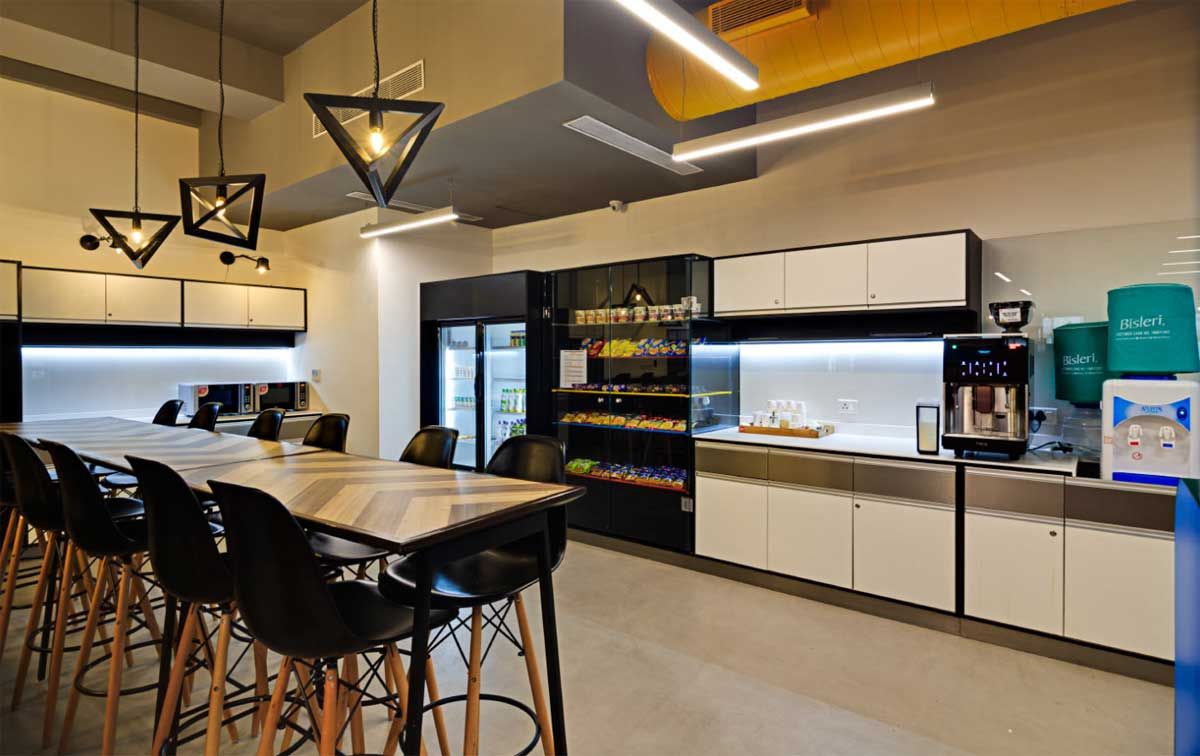
Meeting rooms, brainstorming corners, breakout sofas and quiet pods are now the main attractions. A good office in 2026 has spaces for every type of work: one-on-one, group calls, deep focus and informal chats.
Coworking and managed office operators have adapted faster than traditional offices because their layouts are already modular.
What Tenants Should Look For
When choosing an office, ask about the ratio of desks to collaboration spaces. Look for video-call-friendly rooms, good lighting and acoustic treatment. If the office is only rows of desks, it may not fit a hybrid team.
Also check booking systems for meeting rooms and parking. Hybrid teams often have more people commuting on specific days, which creates parking spikes.
Need help shortlisting?